Science-Based Approaches to Addiction

Addiction and the Brain
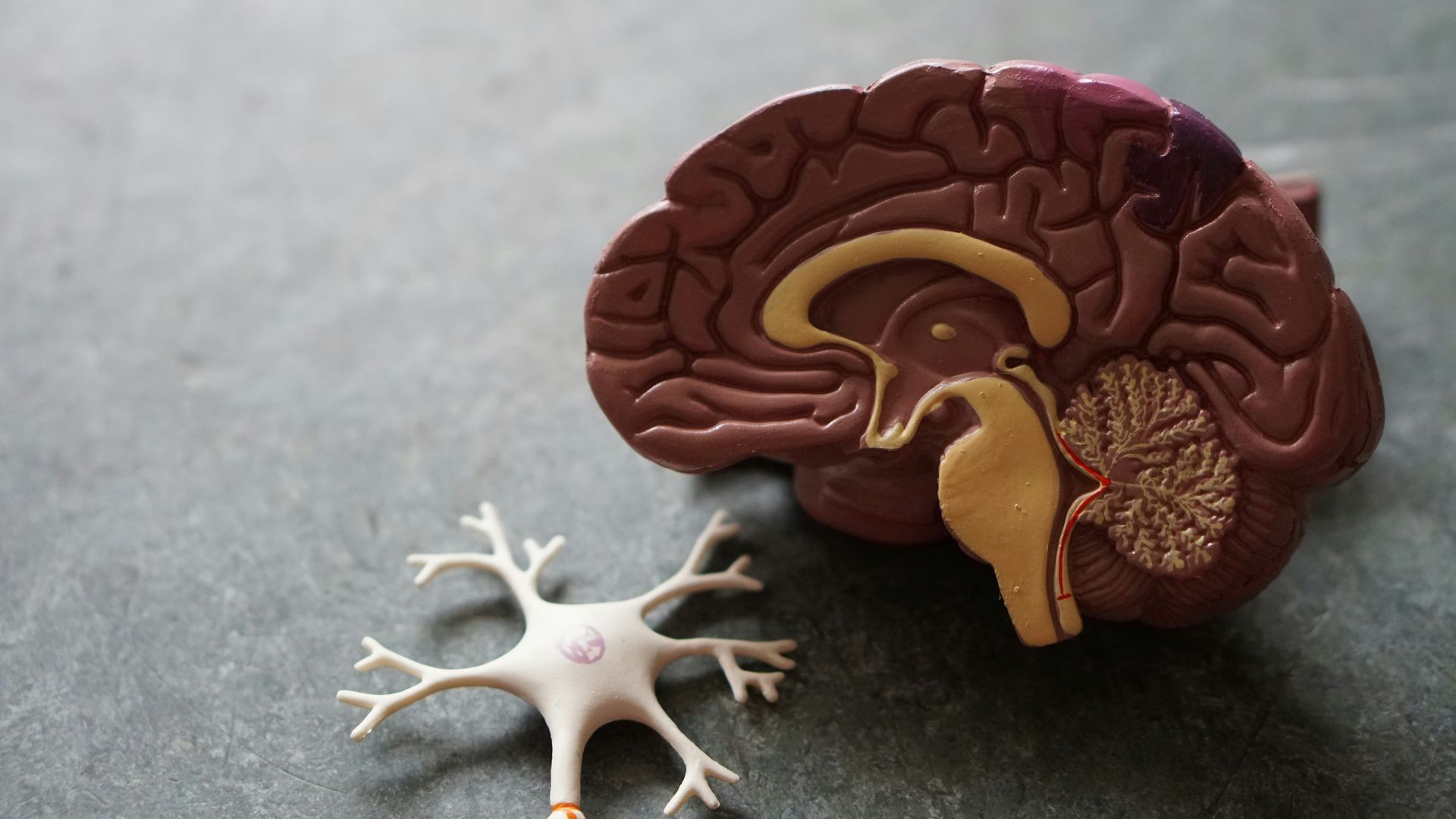
Substance use disorder is considered a brain disease because it alters neural pathways involved in reward, motivation, memory, and self-control. Many addictive substances increase levels of dopamine, a neurotransmitter associated with pleasure and reinforcement. Dopamine release is part of the brain’s natural reward system, helping us repeat behaviors that promote survival, such as eating or social bonding.
When a person repeatedly uses substances such as opioids, alcohol, or stimulants, the brain begins to adapt. Over time, it may produce less dopamine naturally or reduce the number of receptors available to respond to it. This can lead to tolerance, meaning higher amounts of the substance are needed to achieve the same effect. Eventually, the brain may come to rely on the substance to maintain a sense of normalcy.
These neurochemical changes help explain why people cannot simply “decide” to stop using without difficulty. Withdrawal symptoms, cravings, and powerful urges are not signs of weakness. They are reflections of altered brain chemistry.
The Cycle of Dependence
Addiction often involves a cycle of intoxication, withdrawal, and preoccupation. During intoxication, substances activate the brain’s reward pathways. During withdrawal, individuals may experience physical symptoms such as nausea, muscle aches, anxiety, or irritability. These symptoms can be severe, especially in opioid use disorder.
The anticipation of relief from withdrawal can drive continued use. Over time, decision-making regions of the brain, particularly those responsible for impulse control and judgment, may become less active. This can make it harder for individuals to weigh long-term consequences against short-term relief.
Understanding these mechanisms does not excuse harmful behavior. It does, however, provide context. Addiction is not a simple matter of willpower. It involves measurable biological changes.

Dispelling the Myth of Weakness
The belief that addiction reflects moral failure can cause profound harm. Shame often discourages people from seeking treatment. Individuals may internalize the idea that they are broken or bad, which can undermine motivation and self-worth.
Research consistently shows that stigma is associated with worse treatment outcomes. When people feel judged, they are less likely to access care or remain engaged in treatment. Reframing addiction as a health condition helps reduce this barrier.
Recovery requires effort, structure, and accountability. Recognizing addiction as an illness does not eliminate personal responsibility. Instead, it acknowledges that medical and therapeutic support are necessary components of healing.

The Role of Treatment and Medication
Medication-assisted treatment, including medications such as buprenorphine, can help stabilize brain chemistry and reduce cravings. By addressing the biological components of dependence, these treatments allow individuals to focus on rebuilding routines, repairing relationships, and engaging in counseling or support programs.
Treatment is not a sign of weakness. It is a sign of commitment to health. Chronic illnesses such as diabetes or hypertension require ongoing management. Substance use disorder is no different in that respect.

Internalizing the Distinction
For individuals in recovery, internalizing the understanding that addiction is an illness can reduce self-blame. Recovery often involves confronting past actions and making amends where appropriate. However, healthy accountability differs from toxic shame. Recognizing the role of brain chemistry helps individuals separate their identity from their illness.
For families and supporters, this distinction fosters empathy. Encouragement, boundaries, and consistency are more effective when grounded in understanding rather than judgment.
Moving Toward Compassionate Recovery
Addiction is a complex medical condition influenced by biology, environment, and personal history. Viewing it through a moral lens oversimplifies and distorts reality. Recovery is possible, but it requires medical support, structure, and patience.
At Coltrain Medical Group, we are committed to treating substance use disorder as the medical condition that it is. By replacing stigma with science and blame with compassion, we help individuals and families move toward lasting recovery with clarity and dignity.






You might also like