
Opioid addiction is a disease that rarely affects only the individual. Its impact reaches into the home, straining relationships, eroding trust, and placing enormous emotional and financial burdens on families. Parents, children, siblings, and spouses often carry the weight of addiction alongside their loved one, experiencing frustration, fear, and uncertainty about the future. At Coltrain Medical Group, we understand that healing from opioid addiction requires a family-centered approach that addresses both medical and emotional needs.

How Families Are Affected
The presence of addiction in a household often disrupts the daily rhythms of family life. Parents may struggle to balance caregiving responsibilities with the challenges of supporting an addicted child. Children may feel confusion, resentment, or neglect when a parent is consumed by addiction. Spouses often carry the burden of financial instability, fear of overdose, or broken trust.
Addiction can also strain communication. Loved ones may feel helpless when promises are broken, or when relapse occurs. Feelings of guilt, anger, and disappointment create divisions that are difficult to repair without guidance and support.

The Role of Medication-Assisted Treatment (MAT)
Recovery begins with addressing the physical hold of opioids. Medication-assisted treatment (MAT) combines FDA-approved medications with counseling to help stabilize brain chemistry, reduce withdrawal symptoms, and prevent relapse. Medications such as buprenorphine and methadone, when prescribed under medical supervision, allow individuals to regain control of their lives without the extreme cravings that often lead to relapse.
For families, MAT offers reassurance that their loved one is on a safer, medically supervised path. It provides structure and stability, creating space for trust to begin rebuilding. Importantly, MAT is not about substituting one drug for another, but about using proven medical tools to support long-term recovery.

Therapy and Rebuilding Relationships
While MAT addresses the physical aspects of addiction, therapy helps families heal the emotional wounds it creates. Individual therapy allows patients to address underlying trauma or mental health conditions that contribute to substance use. Family therapy gives everyone a safe environment to communicate honestly, express their emotions, and learn strategies for rebuilding trust.
Rebuilding relationships after addiction takes time. Loved ones may need to see consistent effort before believing change is possible. Therapists help families understand the recovery process, set healthy boundaries, and support their loved one without enabling harmful behavior. This structured approach allows trust to grow gradually.
Practicing Harm Reduction
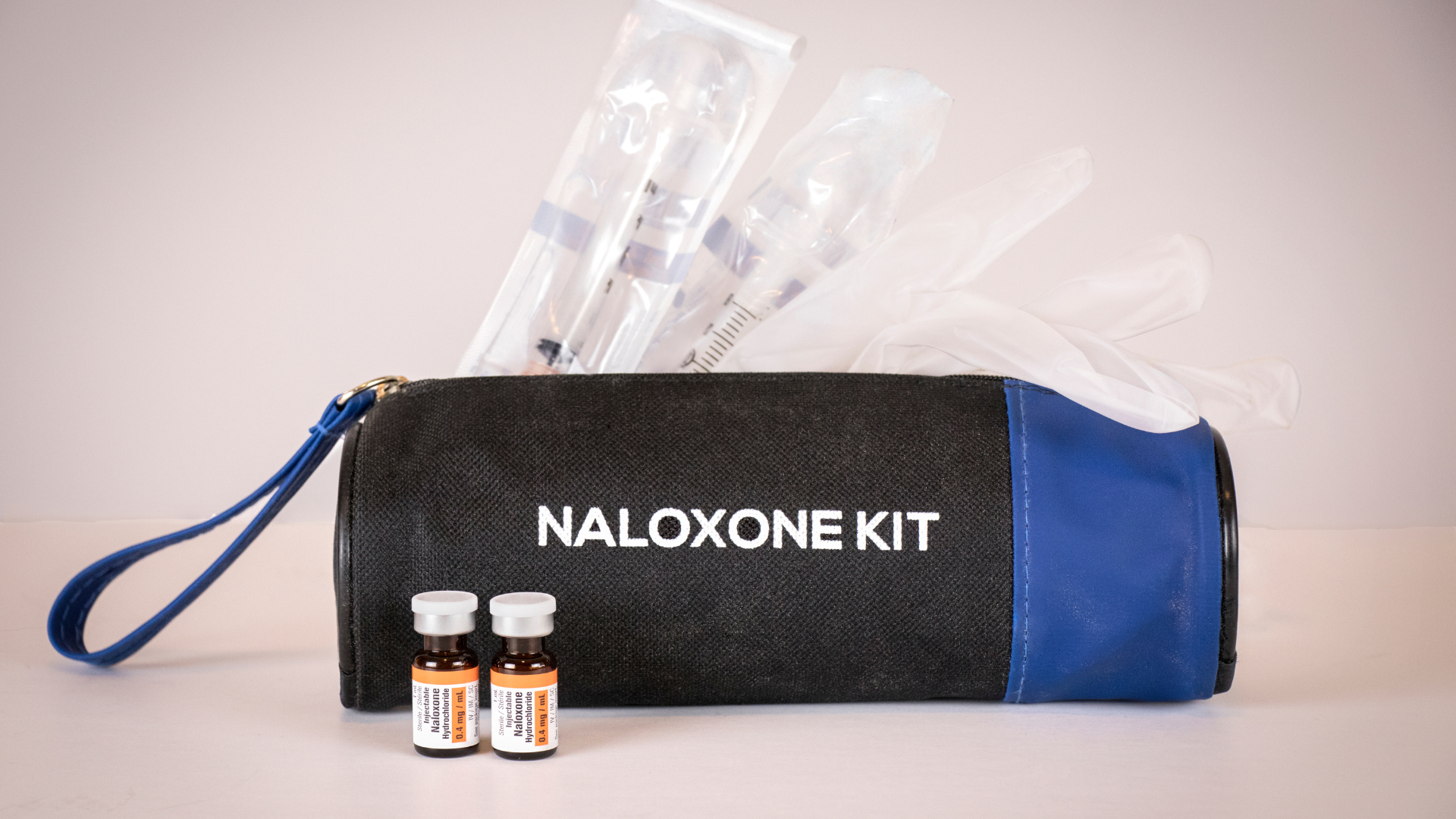
Harm reduction is another essential piece of family healing. This approach recognizes that recovery is a process and emphasizes steps to reduce risks while individuals work toward long-term goals. For example, access to naloxone can prevent overdose deaths, while safe use education reduces immediate harm. Families who embrace harm reduction provide support without judgment, which can encourage loved ones to remain engaged in treatment and continue moving forward.

The Path Toward Healing
Healing from the impact of opioid addiction is not linear. Relapses may occur, and setbacks are part of the process. What matters most is creating an environment where recovery is supported at every stage. With MAT, therapy, and harm reduction, families can begin to repair the damage of addiction and create a stronger foundation for the future.
At Coltrain Medical Group, we view recovery as a partnership between patients, families, and professionals. By addressing the medical, emotional, and relational aspects of addiction, we help families move beyond survival and toward healing.

Final Thoughts
Opioid addiction places heavy burdens on families, but it does not have to define their future. With evidence-based treatments, counseling, and supportive practices, both individuals and their loved ones can find a path forward. Healing requires patience, commitment, and guidance, but it is possible.
At Coltrain Medical Group, we are committed to walking with families every step of the way. Through comprehensive treatment and compassionate care, we help rebuild lives, restore trust, and strengthen the bonds that addiction has strained.
You might also like



