
Opioid use disorder is a long term medical condition that requires structured care, consistent support, and evidence based treatment. One option that may help individuals in recovery is Sublocade, a prescription medication approved for the treatment of moderate to severe opioid use disorder in patients who meet specific clinical criteria. At Coltrain Medical Group, we help patients understand how this medication works, who may benefit from it, and how it fits into a comprehensive treatment plan. Each individual is evaluated carefully so that treatment decisions remain aligned with their unique medical needs and long term recovery goals.

What Sublocade Is
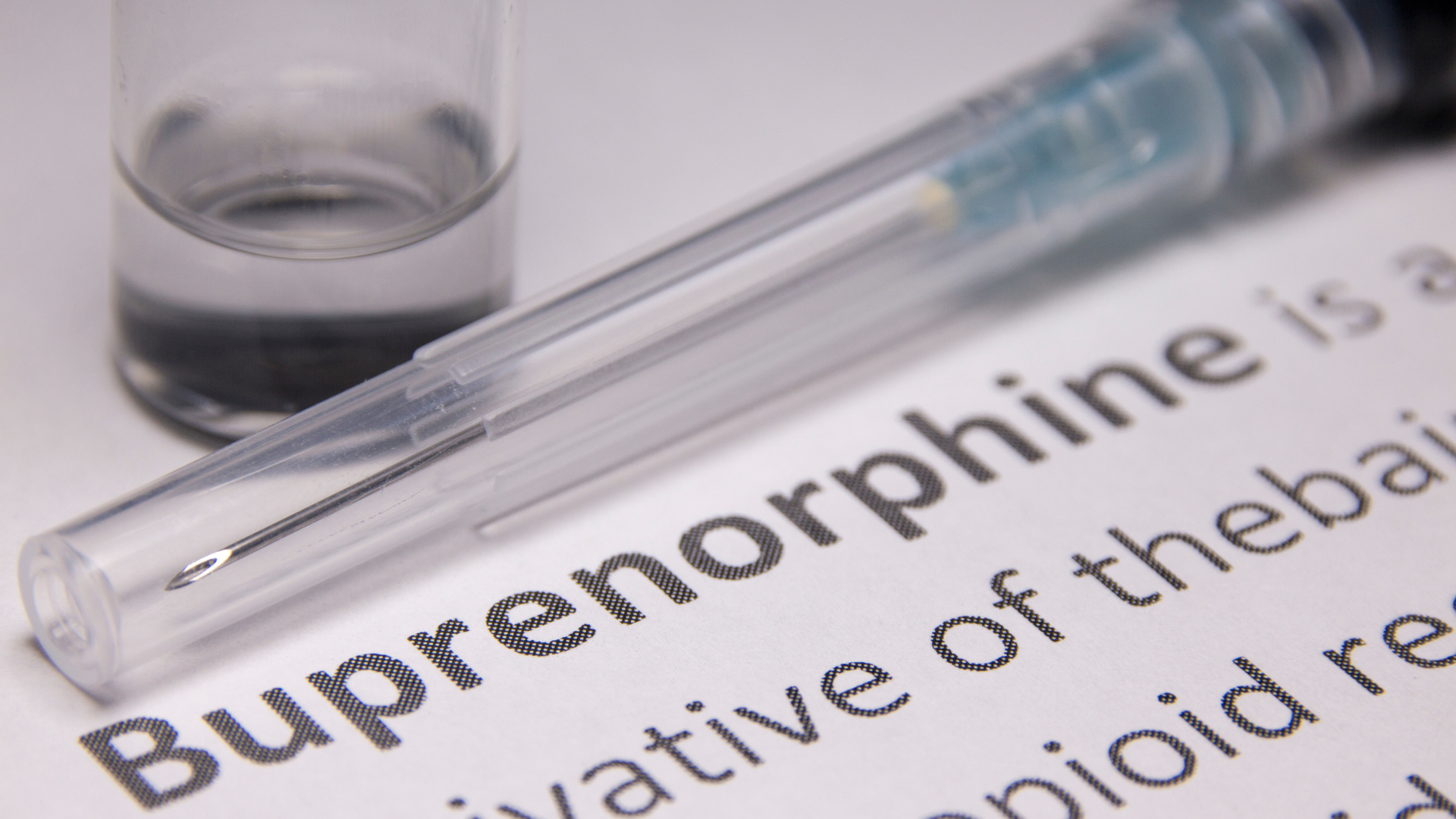
Sublocade is an extended release injectable form of buprenorphine, a medication used in medication assisted treatment programs. Buprenorphine is classified as a partial opioid agonist, which means that it interacts with opioid receptors in the brain in a controlled way. Unlike full opioid agonists, buprenorphine produces limited receptor activation. Research indicates that this may help reduce withdrawal symptoms and decrease cravings in many individuals who are already stabilized on a daily oral buprenorphine regimen.
Sublocade is administered only in a clinical setting and is given once per month. Because it is extended release, patients do not self administer doses at home. This creates a structured treatment environment and may help support consistent medication delivery for individuals who benefit from long term stabilization.
How Sublocade Works
Sublocade uses a medication delivery system that releases buprenorphine steadily over the course of a month. After the injection is administered just under the skin, the medication forms a depot that gradually releases buprenorphine into the bloodstream. This steady release may help maintain stable buprenorphine levels, which is important because fluctuations in medication levels can contribute to cravings or withdrawal symptoms in some individuals.
Before an individual can receive Sublocade, they must
first be stabilized on a daily dose of transmucosal buprenorphine. This initial stabilization period helps confirm that the patient tolerates the medication. Once stabilized, the transition to a monthly dose may offer a more consistent delivery method compared to daily oral dosing. Clinical guidelines recommend that Sublocade be used as part of a comprehensive treatment plan that includes counseling and behavioral support.
Who Might Benefit From Sublocade
Sublocade may be appropriate for adults with moderate to severe opioid use disorder who are already stable on a daily buprenorphine regimen. Individuals who have difficulty maintaining consistent daily dosing may benefit from the structured monthly administration. The monthly format may also help reduce the risk of missed doses, diversion, or fluctuations in medication levels.
Some individuals prefer a treatment option that reduces the burden of remembering daily medication. Others may find that a long acting injectable format supports a greater sense of stability. For individuals who respond well to buprenorphine but struggle with adherence, Sublocade may provide a more predictable therapeutic pathway when coordinated through a medical provider.

The Importance of Comprehensive Support
Medication alone is not considered sufficient for treating opioid use disorder. Sublocade is most effective when combined with counseling, behavioral support, and regular follow up visits. At Coltrain Medical Group, we work with patients to address the physical, psychological, and environmental aspects of recovery. This includes identifying triggers, creating relapse prevention strategies, building support networks, and addressing challenges that may arise throughout treatment.
A long term recovery plan often requires adjustments over time. For some individuals, Sublocade may remain the preferred option for extended stabilization. For others, treatment needs may evolve. Ongoing communication with the healthcare team ensures that the treatment plan remains aligned with the patient’s progress and goals.

Supporting Recovery With Evidence Based Options
Sublocade is one of several tools available to individuals seeking recovery from opioid use disorder. Its extended release delivery may help create stability and reduce the risk of inconsistent dosing. By combining this medication with counseling and structured support, patients may experience improved continuity in their treatment. At Coltrain Medical Group, we remain committed to delivering responsible, evidence based care that supports long term recovery and improves quality of life for the individuals we serve. We work closely with each patient to determine whether Sublocade may be a suitable option within their broader treatment plan.
You might also like



