May 30, 2018 | SUBOXONE TREATMENT, OUTPATIENT TREATMENT, MEDICATION ASSISTED TREATMENT, OPIATE TREATMENT

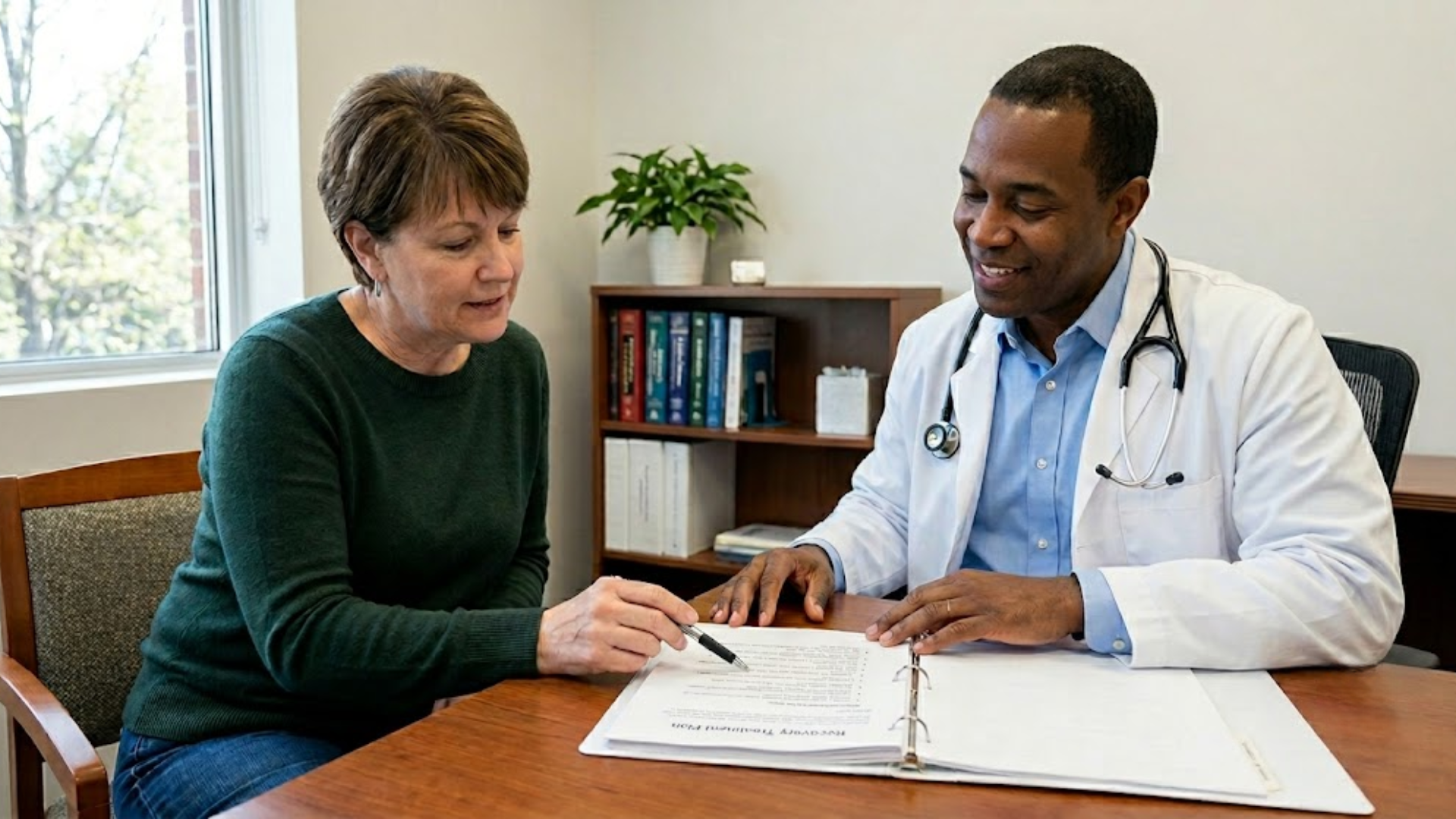
You have decided to seek treatment for your opioid addiction. Congratulations, that is the first step and often the most difficult. But, where do you go from there? There are a lot of treatment options out there, almost too many, that it makes it really difficult to know which one will be best for you. Studies have shown that a Medication Assisted Treatment(MAT) using a combination therapy called Suboxone (Buprenorphine and Naloxone) in an outpatient treatment program works best. There are many reasons why this treatment has proven successful for so many people wanting to get clean from opiates and move on with their lives.
Typically inpatient programs last 28 days and can go up 90 days. Outpatient programs like ours requires a one time a month appointment. In-patient programs do provide Buprenorphine treatment (Suboxone Therapy) for the initial intake period. Then they quickly ween you off of the medication therapy before they discharge you. You are then stuck google searching for a suboxone clinic near me or suboxone doctors near me that can get you in quickly to continue your outpatient treatment before you go into suboxone withdrawal. If you have not found a Doctor ahead of time before discharge, it has proven to be very difficult to find one that can get you in immediately for Suboxone treatment. Suboxone doctors usually take insurance and subsequently are full and not accepting new patients. Also, just because they are on the Suboxone locators does not mean they are practicing Buprenorphine treatment or Suboxone therapy. Drug treatment centers often rely on counseling to treat their patients. Which is a critical part of drug rehabilitation, but without a medication like suboxone is most likely to end in relapse. And if you have not found a way to continue in an outpatient therapy, you will most likely go back to using and that's when overdoses happen. You go back to using the same amount you did before you started your in-patient program and your tolerance is way down. This inevitably will end in a overdose and in some instances death. This is another reason why it is so important to find an outpatient program before being discharged from an inpatient program.
Coltrain Medical Groups outpatient program offers you a chance to get clean without the need to be away from your family or take off work. At our program, we make it easy to get in when you are ready. There is no wait list, because we have the providers that can see you right away. The last thing you want to be told when you have decided to get treatment is that you will need to be put on a wait list, which can be 1-3 months long. It is a huge step to admit that you need help, and waiting for it, is usually not an option when you are suffering from opiate withdrawal. You need to get in now so you can get relief right now, not in 2 months. Counseling is a part of recovery and should be coupled with a medication assisted treatment program. Some programs make this mandatory and will not let you stay on the program without doing meetings 2-3 times a week. We do give you options to seek therapy in conjunction with our program, but it is not mandatory.
On your first appointment, we do an intake assessment, a urine analysis, then you will get your prescription for your medication. This enables you to start your treatment immediately. Once you take your first dose, patients start to get relief from withdrawal symptoms within 60 minutes. This is a crucial time of your recovery. Starting to feel relief right away will make you want to continue to take your medication and show you how easy it will be stay clean. Within the next few days, you have found your right dose and have become 100% stable. Meaning no more cravings or urges to use therefore significantly cutting back your chances of relapse. This is what makes a Medication Assisted Treatment(MAT) so successful. It allows you to continue to live your life without the need or wanting to use opiates. It frees you from the chains of opiates and the hold that they have had on you. It literally gives you your life back.
When you are ready to seek treatment for opiate addiction look for a program that can give you flexibility to fit in your life. Find a program that can give the option of counseling or not. Get into a program that offers medication assisted treatment, like Suboxone or Zubsolv to get you through withdrawal symptoms, to help with daily cravings and to help prevent relapse. This is the key to long term sobriety, it will give you the freedom to live your life without thinking about using. It will give you the chance to mend relationships and rebuild bridges that have been torn down by your addiction. Lastly, find a program that understands what opiate addiction has done to you, your family and your future. We hear so many stories of patients that have been kicked out of programs for missing appointments or not going to their mandatory meetings. This approach seems to be contradictory to recovery. Find a place that cares about your recovery and well being and not just following their protocol.
After 7 years of offering our Outpatient Medication Assisted Treatment program, we have seen it change countless lives.
Contact us when you are ready to start your journey to your recovery. We are here to help.
You might also like