What is the gold standard for treating opioid addiction?
There has been a lot of news stories about how we are currently in an opioid epidemic in the United States. But very few stories about how we solve it. The few stories that have been out there always go back to what the medical community agrees on is the best treatment of this epidemic, a Medication Assisted Treatment(MAT) program.
What is Medication Assisted Treatment(MAT)?
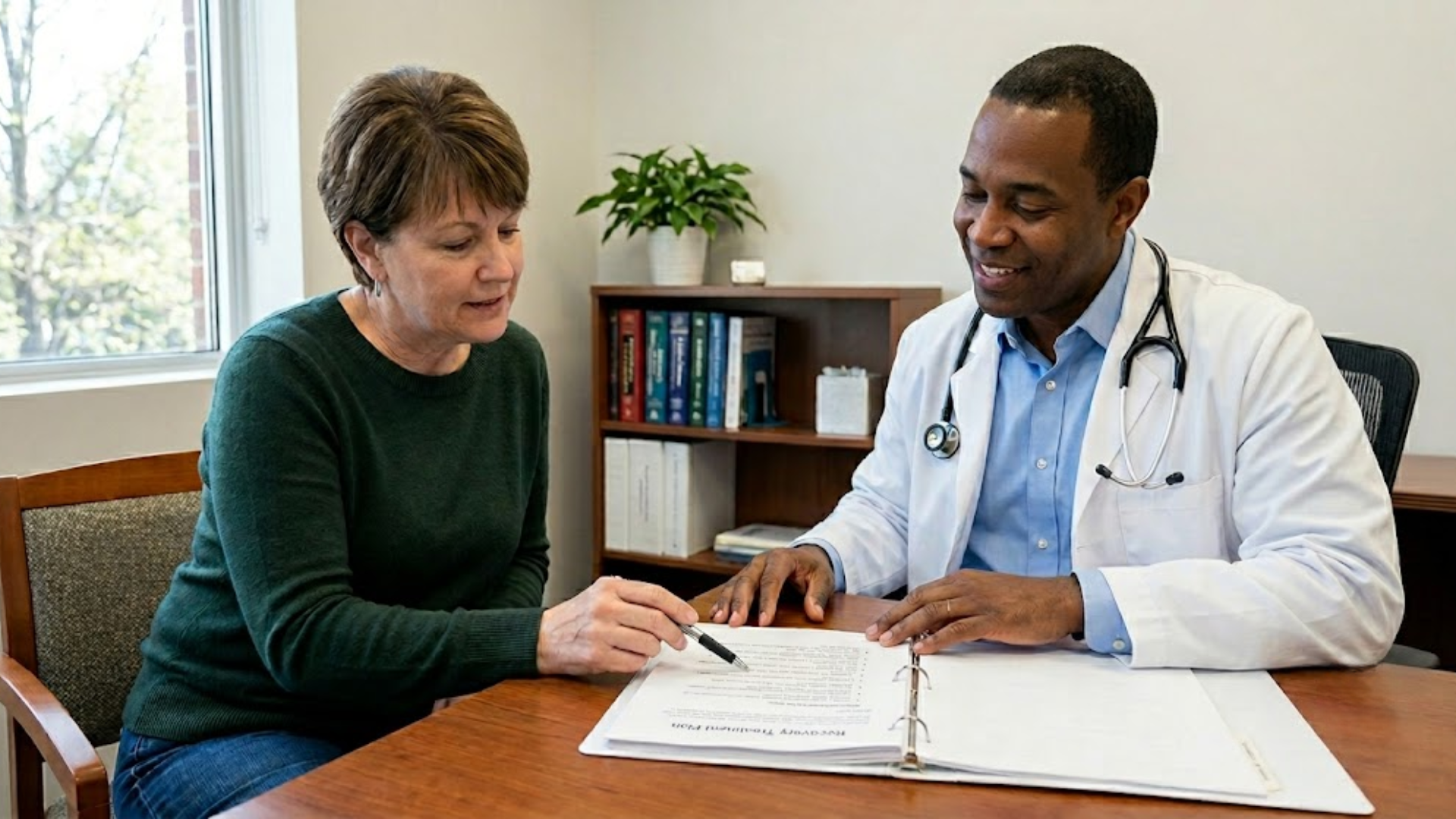
It is usually operated in an outpatient setting where the patient who is addicted to heroin or pain pills receives a prescription from a certified Medical Doctor for an opioid blocker like Suboxone, Zubsolv or Vivitrol. They are typically seen monthly and should be assessed and Urine screened each office visit. These programs should also be doing randomized pill and/or film counts on patients for compliance.
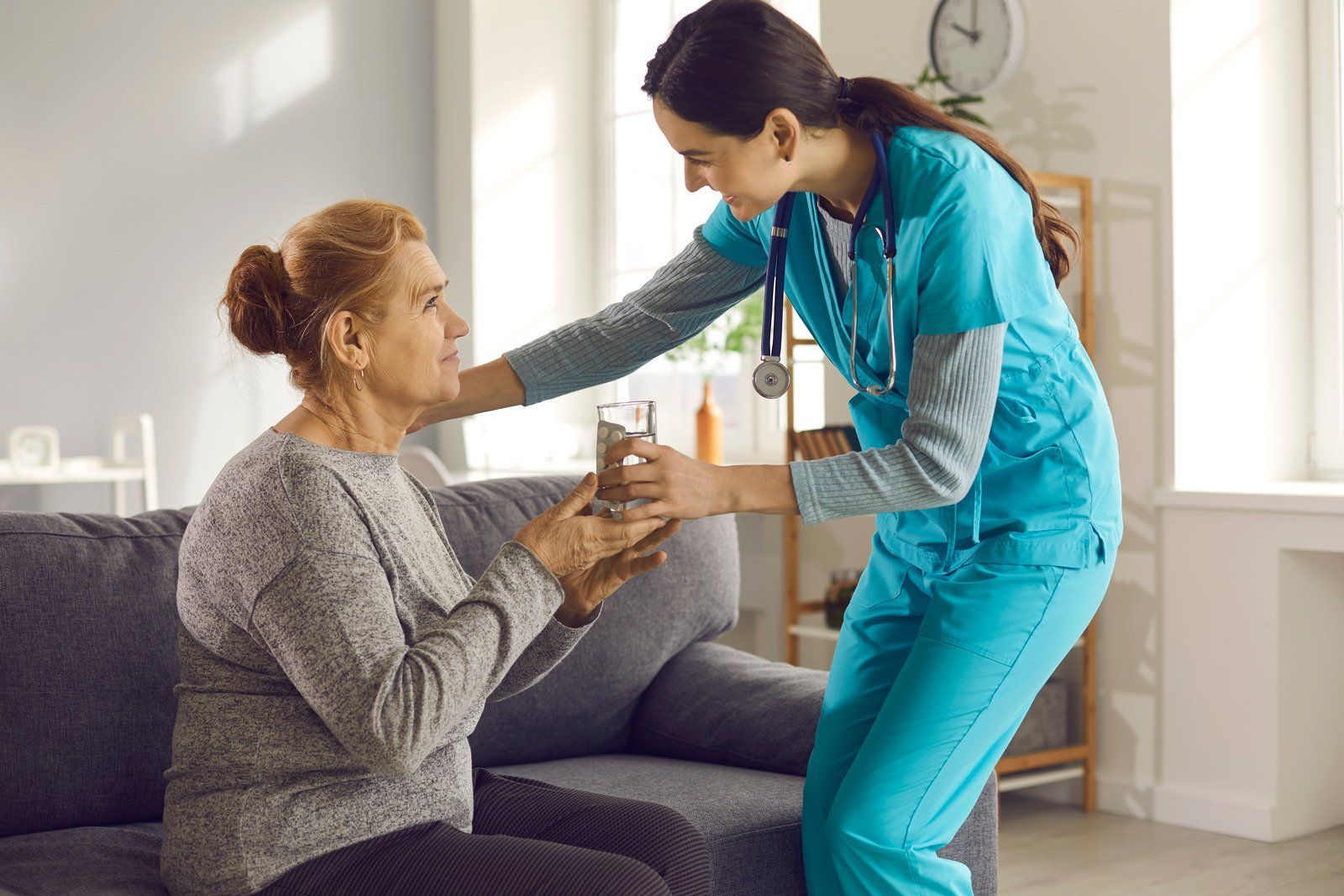
What these medications do is eliminate withdrawal symptoms and drastically reduce cravings to use opioids. Can you imagine what this would do for someone who is addicted to heroin or pain pills? It gives them their lives back!
It allows them to get back to a normal life, with their families and their jobs without having to ever worry about finding their next "fix." What these medications also do is block any effects of future opioids if the individual has a relapse and uses. Essentially making it pointless to ever use while on a MAT program because they can NOT get high while on these medications since they contain an opioid blocker. If they do use while on a blocking medication, they often find that it was a complete waste of time, money and effort since it didn't "do anything." This gives you the patient the highest probability of staying in treatment, and never going back to using again. This also leads to long term sobriety. You don't ever think about using, you don't think about going out and finding your drug of choice, it literally never enters your mind. That is why this medication works so well and why the medical community agrees that this is the gold standard for opioid recovery treatment.
If all you have to do is take a medication once or twice a day to stay clean from opioids, then why isn't every one who is addicted to opioids doing this? There are a number of answers to this question. What we have found is number one, a lack of education in the pubic, although this is changing everyday. No one knows what this is, what it consists of and what it takes to get started. The second is accessibility. When a patient has decided that they are ready to get help. They usually start by calling around to Doctors offices they have found online. Only to find that the facility isn't accepting new patients, or is full and can put you on a waiting list or just flat out doesn't answer the phone. All too often we hear these stories from patients coming to us and it is completely unacceptable. The last thing you need to feel is defeat before you even begun to fight.
That is why we are such proponents of being able to get you into our treatment the same day you call or the next day . Your treatment can't wait another month, week or day. When you want and need treatment, it has to happen NOW. We understand the urgency of your appointment and help facilitate that in every way.
Bottom line there is no miracle drug or miracle cure for opioid addiction. This isn't a 30 day on and off fix to your addiction. There is no cure. Often people are on this medication for a long period of time. But what is the alternative? You can keep on using, ruin your friendships, destroy your families, steal from the people you love, be put into prison, potentially kill yourself from an overdose or hurt and kill someone else? Or you can find a MAT program and get your life back.
What we have seen in the past 9 years of practicing opioid recovery treatment using MAT, is that this is the best option we have today to get you back on your feet. You can do this. There is hope and there is a way to get your life back.
So how do you know if you're a candidate for a Medication Assisted treatment program? Are you addicted to heroin or pain pills like percocet, hydrocodone or Oxycontin? Do you want to get clean from using those drugs and move on with your life and get past your addiction? If you answered yes to these 2 questions than you're very likely to benefit from a Medication Assisted Treatment program. It is important to know that this treatment has a financial responsibility for the monthly office visit and the medication. If you have insurance this can drastically reduce the financial burden. The cost of using is not only financially much more expensive than treatment, but so is the cost of your life. Please contact a certified physician in your area for an assessment to see if you're eligible. Feel free to contact us to answer any questions or concerns if you are not able to find one in your area.
You might also like